Best Eco Home Upgrades to Increase Value and Save Energy in the UK

At Zero Wasted, our mission is to help you make informed, conscious choices—we do the research so you don’t have to. Affiliate Disclosure: Some articles may contain affiliate links, meaning we may earn a small commission if you make a purchase through them. This comes at no extra cost to you, and we only recommend products we truly believe in.
ADS
END OF ADS
When it comes to making your home more eco-friendly, sustainable and energy efficient, there’s a fine line between genuine value-adding improvements and full-on greenwashing.
With energy bills high, climate concerns intensifying to worrying levels, and an abundance of eco-friendly appliances and material choices on the market, you soon understand why these types of renovation projects can feel overwhelming.
Whichever way you sit on the environmental argument, large numbers of homeowners in the UK now value sustainability incredibly highly, to the point where energy ratings,material choices, and de-facto ‘green-ness’ are priorities when buying new properties.
If you’re trying to make healthy returns on your property investment, eco-retrofitting makes a lot of sense. The good news is that with the right sustainable upgrades across your property, you can add demonstrable value to your home, whatever your long-term plans.
Insulation
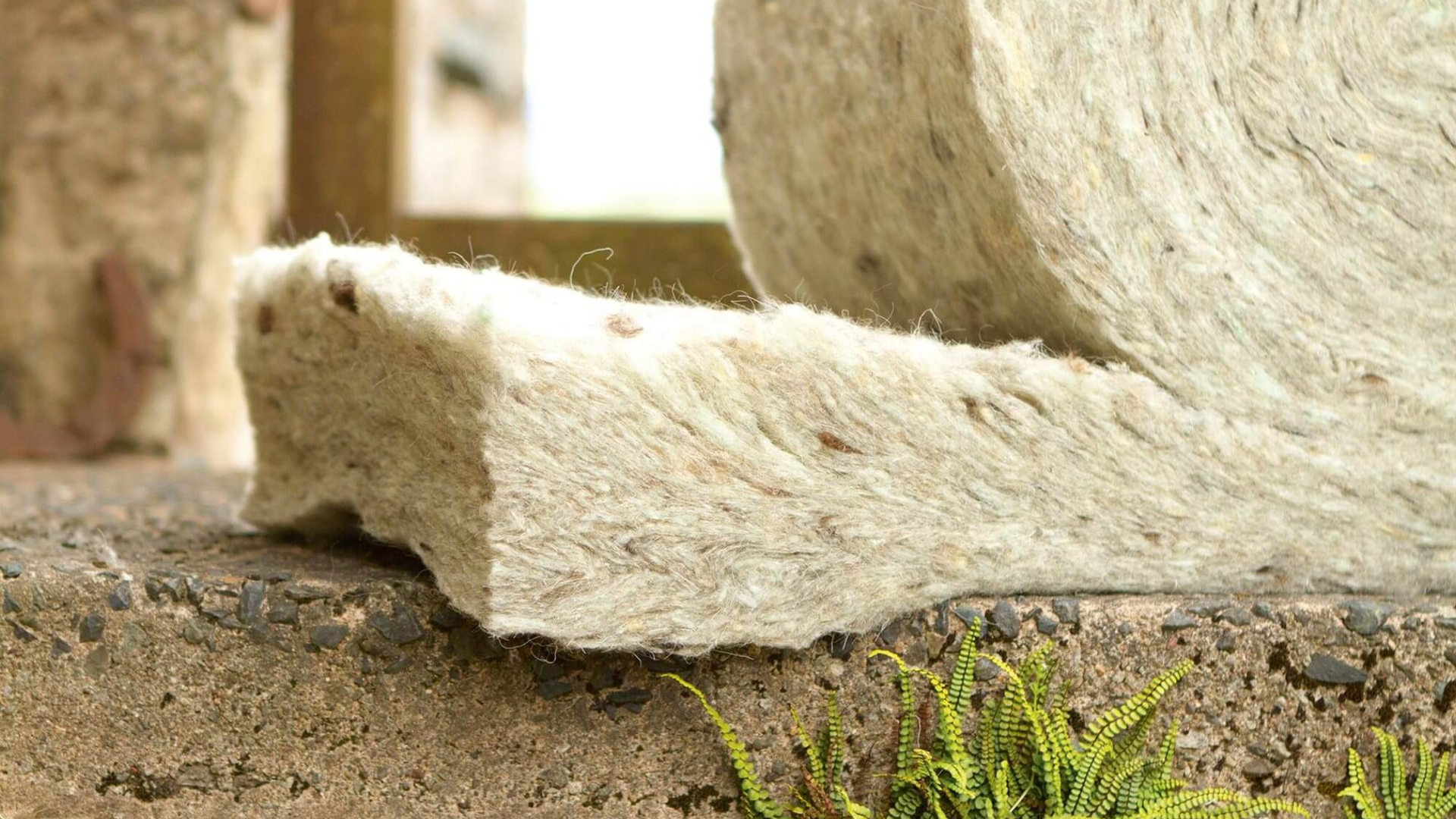
Before going straight for the solar panels and heat pumps, look at the proverbial bones of your home. Upgrading your wall insulation is one of the smartest investments you can make; it’s effectively like plugging the holes in a leaky bucket before filling it with water. Loft insulation in an average-sized semi-detached home can save considerable amounts every year, with the upfront costs invariably paying for themselves just after a year. Cavity wall insulation, while higher upfront cost-wise, can more or less be recouped in savings over three years.
Thesesustainable insulation options range from traditional mineral wool to eco-friendly alternatives like recycled cellulose. The right course of action is addressing accidental heat loss and wastage at the source before investing in more expensive technologies and moving to greener providers. Poorly insulated homes will simply waste generated energy, whatever the underlying system.
Solar Panels
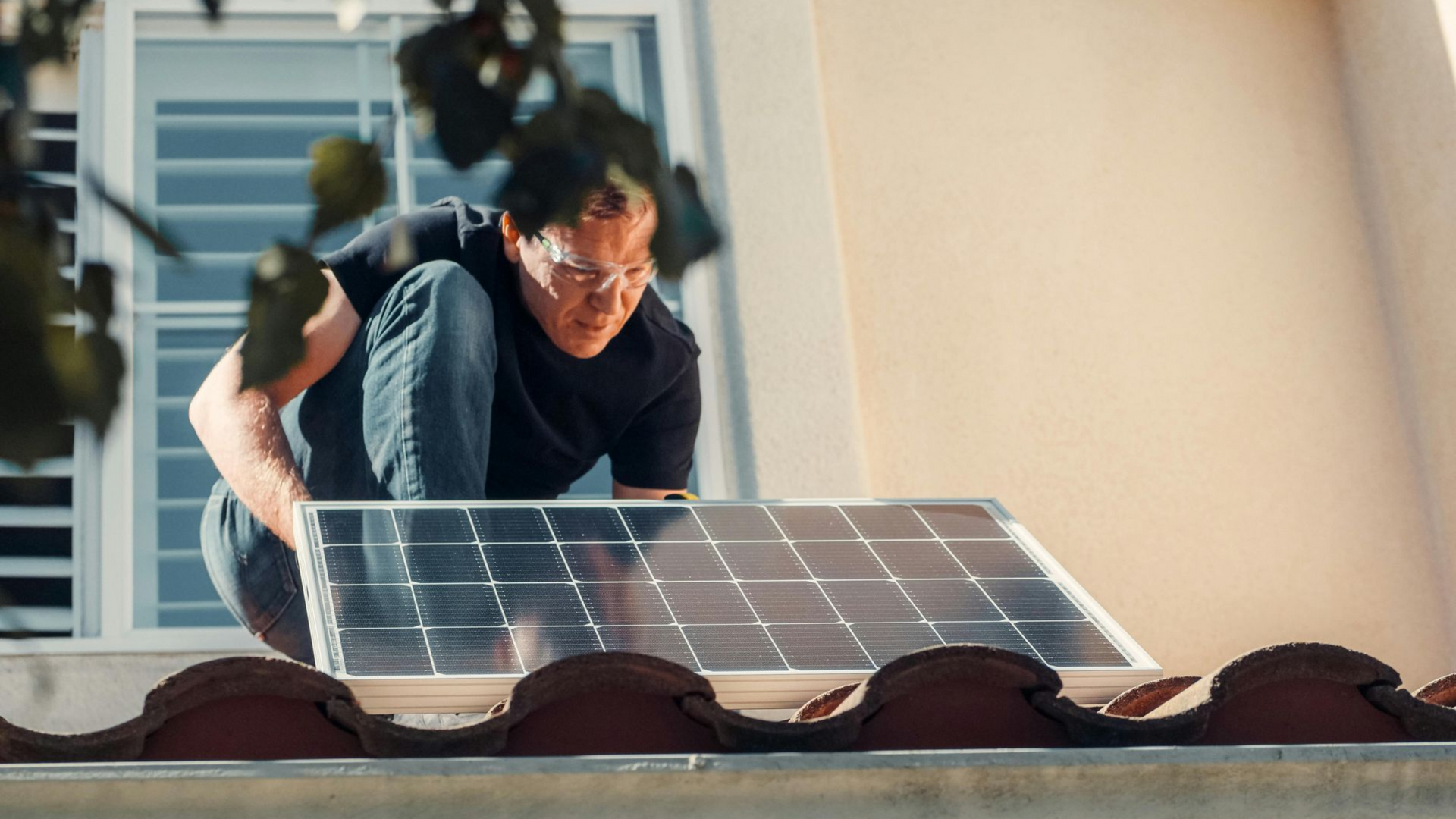
Among the various eco-retrofits available, solar panels deliver arguably the strongest return on investment. Most systems will pay for themselves in six years via reduced electricity bills, and continue to generate free power for several years beyond that. As noted in this guide tovalue-adding eco home improvements from Cosey Homes, those with solar panels can see their values increase by up to 14% once retrofitted. In some areas, this increase can be even higher as eco-conscious buyers recognise the long-term value of lower energy bills and reduced carbon footprints.
Homeowners tout the minimal maintenance, lack of moving parts and savings from solar panels, especially those that work from home or use high-energy appliances during the day. They can deliver strong returns that serve properties well for years to come.
Heat Pumps
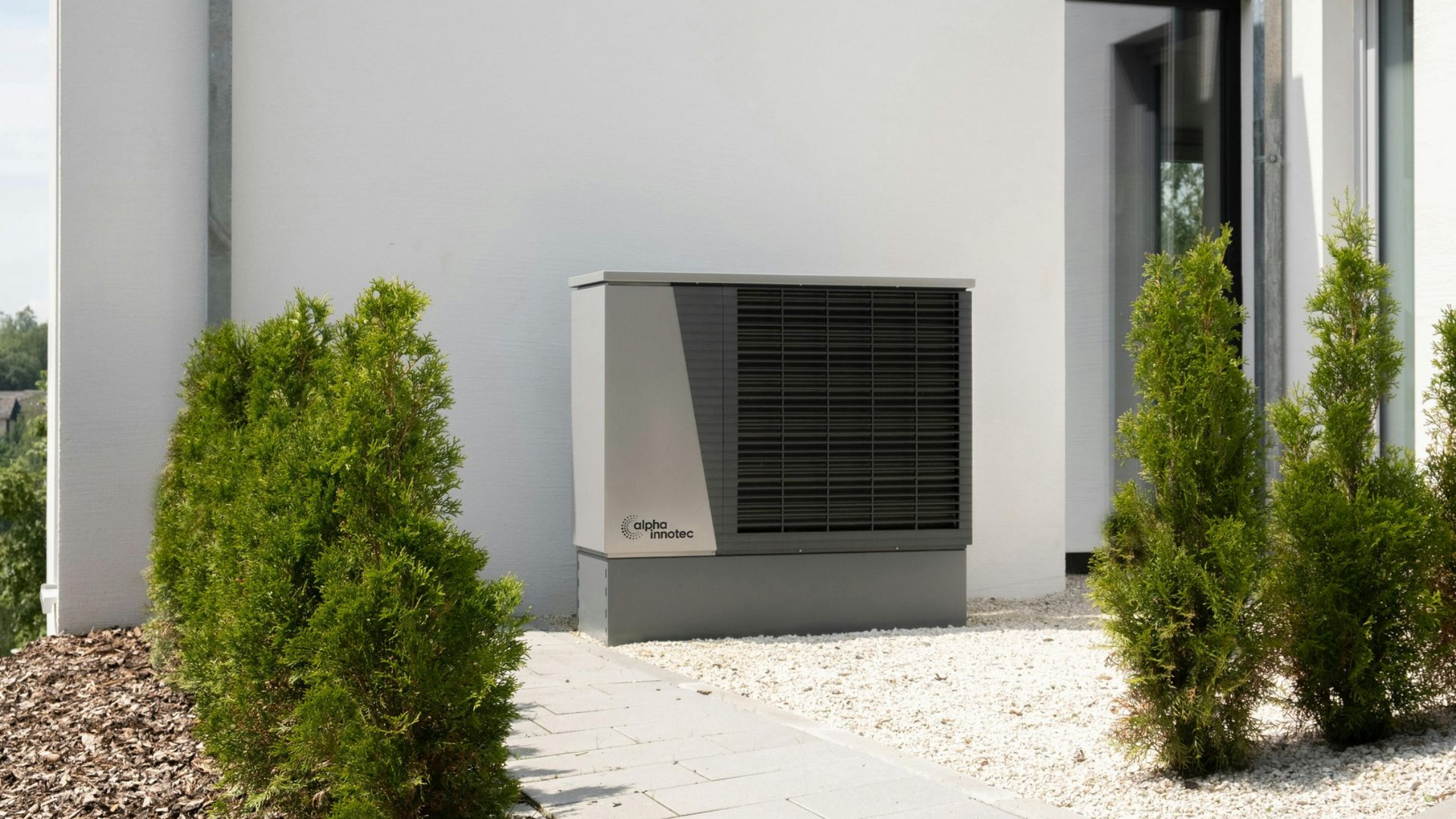
Heat pumps, particularly air source heat pumps, have become more popular over the years, thanks largely to the government’s Boiler Upgrade Scheme grant. The technology is clever, delivering approximately 3-4 units of heat for every unit of electricity consumed, although the return on investment won’t be witnessed straight away. Depending on what’s being replaced, the long-term returns might not be realised for several years. However, for well-insulated homes with underfloor heating and large radiators, they’re invaluable and, in many cases, irreplaceable. Switching from expensive oil, electric and LPG heating systems to a heat pump makes logical and financial sense if you’re after long-term savings and subsidised upfront costs. However, for homes currently using gas, the savings are more modest.
That said, the combination of solar panels and heat pumps is profoundly effective. The solar panels generate electricity during the day which can be put towards powering the heat pump, with any remaining power going into a reserve battery system, and any leftovers being sent back into the grid. This combination is highly preferred by eco-conscious homeowners.
Higher Window Glazing
Upgrading from single to double or even triple glazing can dramatically reduce heating bills, improve sound insulation and enhance security, not to mention improve EPC (Energy Performance Certificate) ratings. The payback period may be long, but the insulation and energy savings alone make the investment highly worthwhile.
EPC Ratings
Perhaps there’s no situation more telling when improved EPC ratings translate directly into improved home values. In some regions, improving an EPC rating from C to B can add thousands to property values. For landlords, this matters tremendously, as current regulations call for an obligatory minimum of E, and the deadline to raise this minimum threshold to C by 2030 is drawing increasingly closer. Properties below the threshold cannot be rented legally, so EPC improvements are, in no uncertain terms, essential. It’s also prudent to remember that the UK government plans to overhaul home energy performance management with a new EPC system this year, so keep a close eye on what the new requirements will stipulate.
How to Spot Greenwashing
Eco-improvements all have the same core goals and characteristics, to reduce energy consumption measurably. The most genuine upgrades carry accreditation and certification through recognised bodies (such as
MCS for solar and heat pumps), with payback periods estimated based on independent, verifiable data. That said, it’s prudent to exercise caution around products making vague environmental claims without tangible, supporting evidence, as well as those products promising unrealistically quick returns. Always validate the credentials of installers and contractors too, as this will also affect your property in the long run. For more peace of mind, the
Energy Saving Trust provides independent advice on reputable technologies and realistic savings expectations.
Making Your Eco Renovation Plan
If you’re still unsure about how to tackle your eco renovations, it’s recommended to be cautious and methodical. Start with a thorough assessment and audit to identify where your home loses heat; you may find your windows unexpectedly draughty, your boiler surprisingly ineffective, and your loft improperly insulated. Prioritise what makes the most sense short-term first, before considering major renewable installations.
Most homeowners start by reviewing insulation and window quality before progressing to large-scale upgrades like solar panels (if sufficient roof space) and heat pumps (if the existing heating system is not financially viable or nearing the end of its operational lifespan).
Remember that eco-retrofitting doesn't have to happen all at once. Phasing improvements over several years spreads costs and allows you to prioritise based on financial returns and your specific capacity. Each upgrade should aim to build on the last, ultimately creating a home that’s comfortable, affordable to run, and valuable in a market that rewards energy efficiency.
ADS
END OF ADS
Newsletter Signup
Sustainable Shopping Guides, Offers + Reviews.
Delivered to your inbox.
THE LATEST
Sustainable Shopping Guides