
Slow Travel Tips for the Perfect Sustainable Campervan Escape

At Zero Wasted, our mission is to help you make informed, conscious choices—we do the research so you don’t have to. Affiliate Disclosure: Some articles may contain affiliate links, meaning we may earn a small commission if you make a purchase through them. This comes at no extra cost to you, and we only recommend products we truly believe in.
ADS
END OF ADS
The romance of the open road has never lost its appeal, but campervan adventurers today face a new reality, and that’s the urgent need for environmental awareness.
The concept of a slow campervan escape reimagines travel as a more intentional practice where you can take your time, prioritising quality of experience and meaningful connection over destination ticking and high mileage.
True escape isn't measured in the miles covered or the sights photographed, but through genuine engagement with the places we visit and the nature we encounter. In this guide, we’ll provide some tips on how to do just that, all while
reducing your impact on your surroundings.
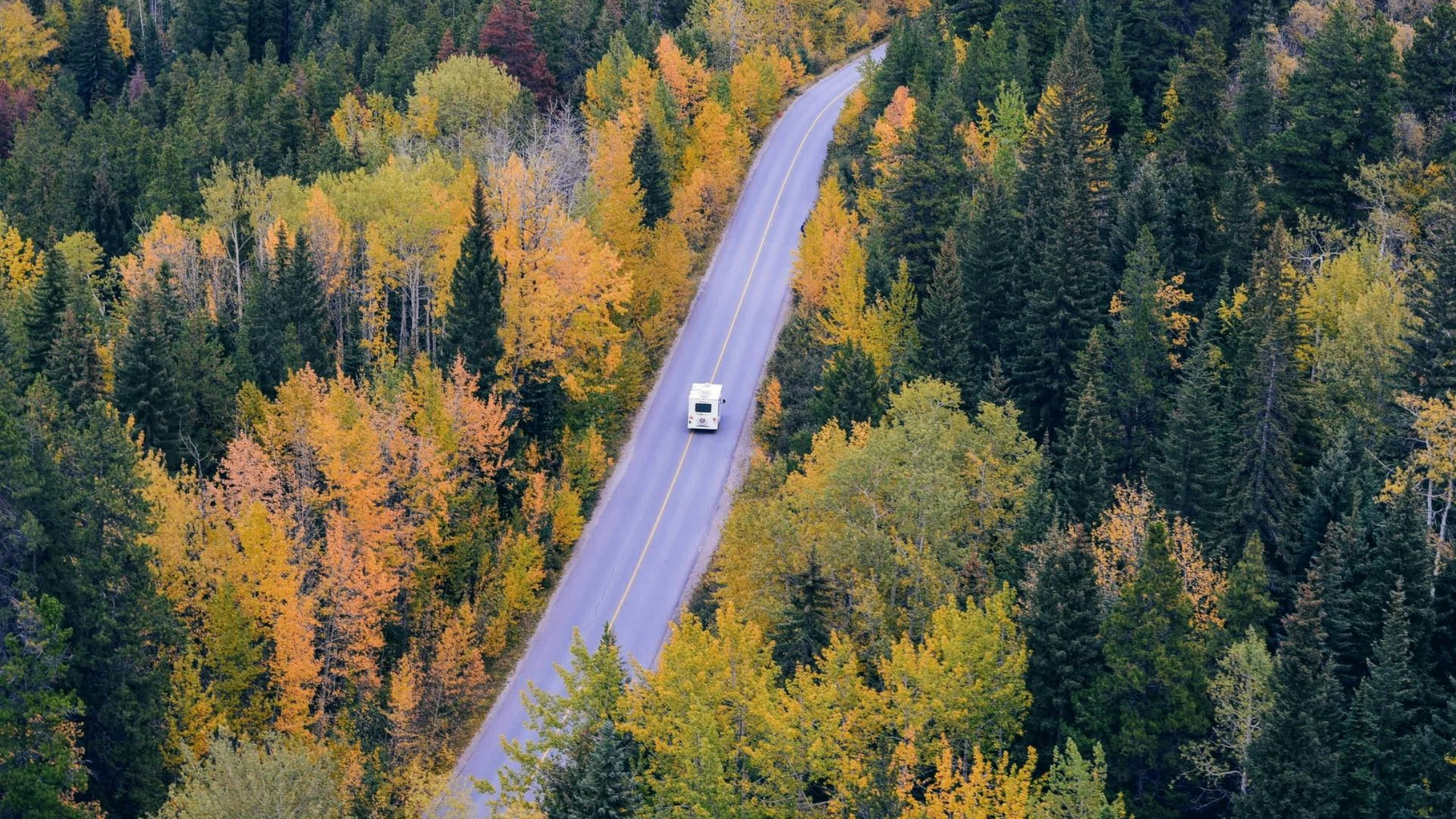
Choose the Right Campervan Setup
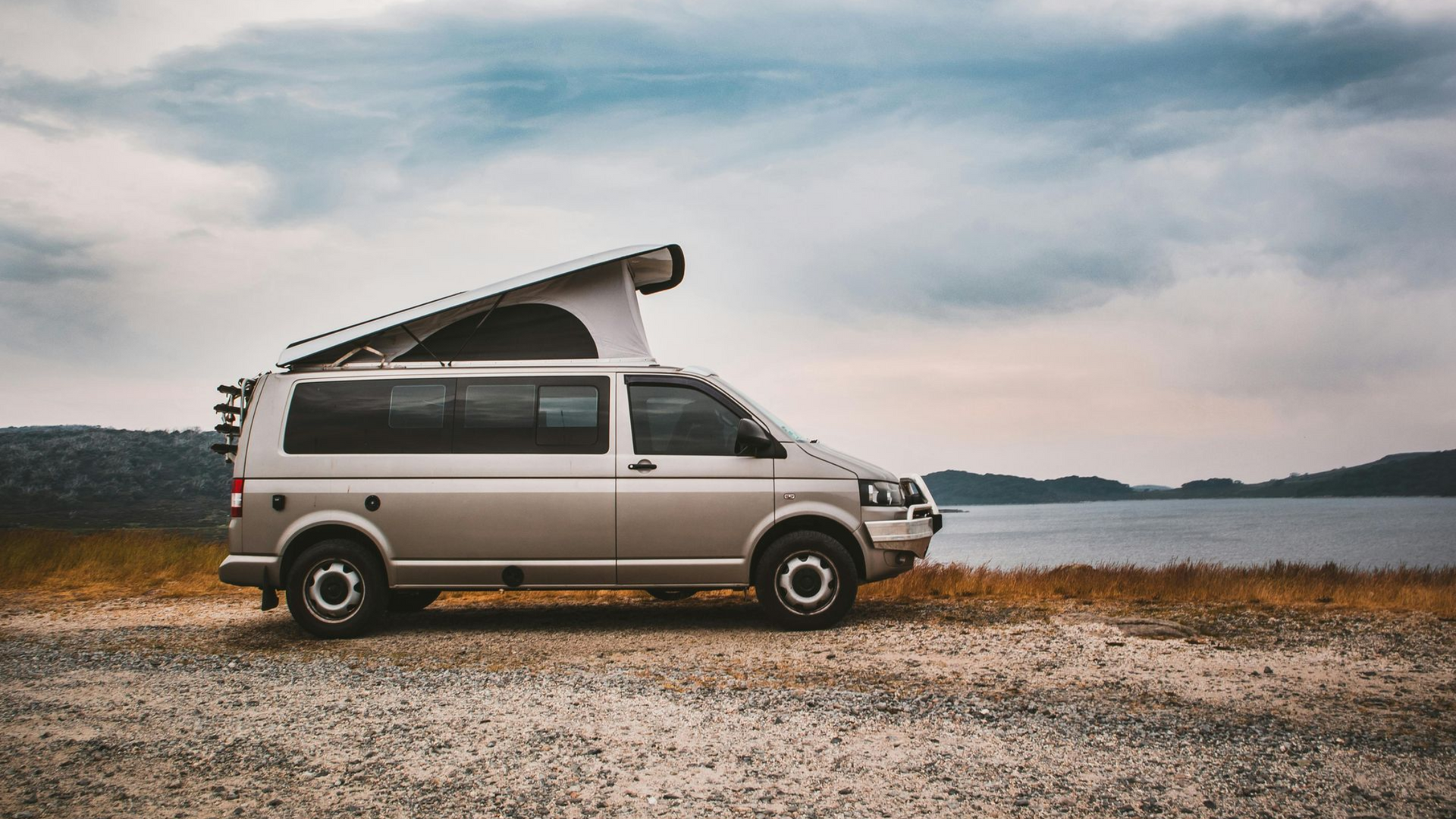
Before you hit the road, think about what comfort really means to you. The most satisfying and enjoyable campervan escapes prioritise genuine comfort over flashy features. A quality bed ensures you have a restful sleep each night, proper ventilation keeps condensation at bay, and intelligent storage solutions will make finding items on the road so much easier. If you want to take more campervan trips in the future, investing in these fundamental, practical features is the only way to ensure lasting enjoyment and relaxation.
Do your research in advance to source a high-quality campervan from reputable sellers like Out and About Campers, who can also customise your van to your needs. Resist the temptation to overpack gadgets and unnecessary equipment that will only make your van heavy and cluttered when you’re on the go. It’s also a good idea before embarking on your journey to test your setup thoroughly. Spend a weekend in your van at home or nearby to identify what works, what's missing, and what you can leave behind.
Strict Adherence to the Slow Travel Ethos
Slow travel demands that you set intentional limits each day. Set a hard daily mileage limit, say 150 miles at the most, which will force you to savour each location rather than rush through them. This approach also dramatically reduces your fuel consumption as well as encouraging deeper exploration of a destination.
Instead of flying through each place, plan multi-day stays in single locations. Establish temporary roots in a place rather than constantly packing up and moving on. Fewer starts and stops mean less fuel burned, less stress for you, and more time to genuinely experience each place and the people that make it. Patience transforms travel from a checklist into an immersive experience where you’ll notice seasonal changes and develop authentic connections.
Master the Art of Leave No Trace
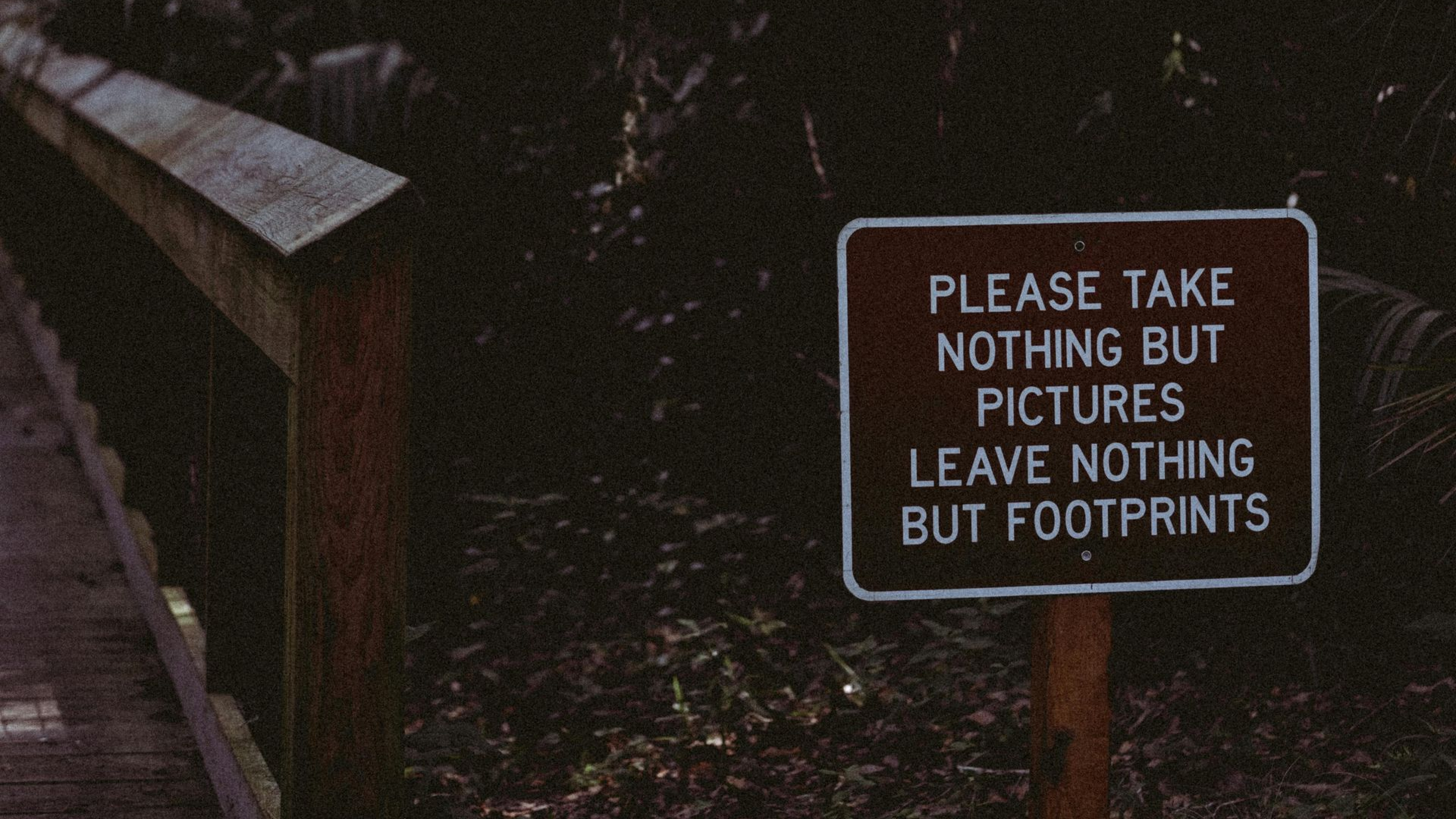
“Leave No Trace” principles are fundamental to a sustainable campervan trip. These are actions like disposing of your waste properly, minimising the impact of fires in forests and parks where they can cause damage, respecting the local wildlife, and being considerate of the people around you. Ultimately, the goal is to leave each place exactly as you found it, if not better.
Zero-Waste Kitchen and Packing
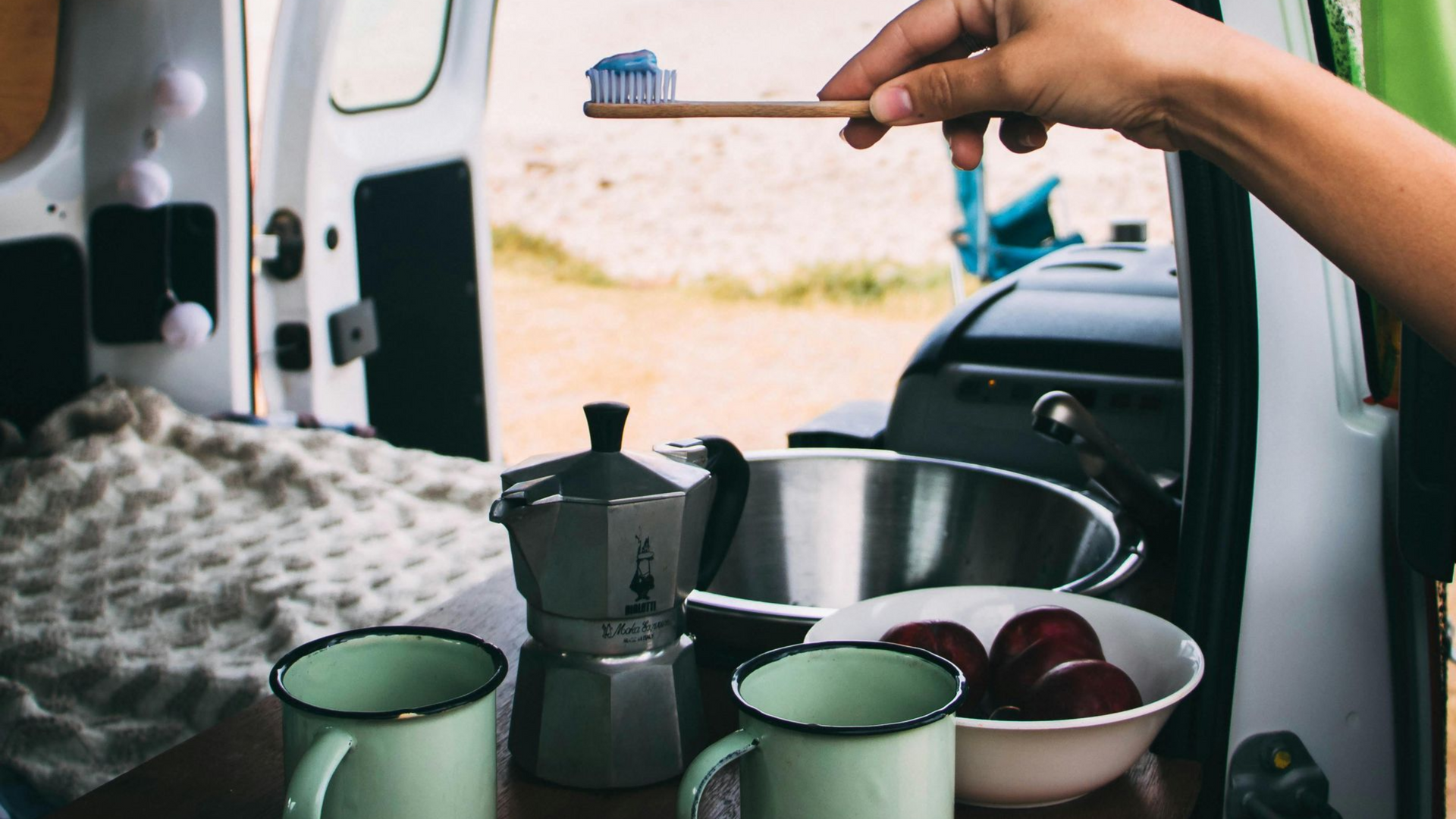
Your campervan kitchen can become its own zero waste zone by opting for reusable alternatives, like coffee filters or cups from KeepCup, glass or metal containers for storing leftovers from brands like Eco Bravo, and mesh shopping bags over plastic alternatives. Quality items might cost you more initially, but they’ll save you money in the long-term, and they’re far better for the environment.
The food you choose to eat also makes a difference to your environmental footprint. Prioritise farmers' markets, farm stands, and local bakeries or delis for ingredients to support regional economies and reduce the carbon footprint associated with food distribution. If you have the storage space, buying in bulk whenever possible will minimise packaging waste and can help you plan your meals more effectively, so you don’t waste as much food.
Water and Energy Conservation
Water waste is a huge problem but one that’s more easily managed from the comfort of a campervan. Install low-flow fittings and adopt water-saving techniques by first rinsing, turning off the water while lathering up with soap, then briefly rinsing off the suds. The same approach applies to cleaning your teeth, so you’re not wasting water unnecessarily while you’re cleaning. Be sure to pack biodegradable, phosphate-free soaps and detergents that won't harm the ecosystem when you dispose of your grey water at a designated facility.
Support the Local Economy
When you’re on the road, it’ll be inevitable that you’ll spend money, but where you spend it can make a big difference. Target your spending towards local, independent businesses. Whether it’s grabbing a coffee at a family-run café, hiring a local guide, or getting repairs done by an independent mechanic, your money will have a greater impact than if you spent it with a big-name chain.
Local businesses typically rely so much more on each customer, and your support helps sustain jobs, preserve the character of the community, and keeps skills and services alive in the area. It also ensures more of the money stays within the local economy.
Travelling is renowned for being hard on the planet, but it doesn’t have to be. These principles, when woven together, create a trip that’s richer, more meaningful, and genuinely responsible. Less rushing from place to place results in richer experiences and connections, both with the people and the landscape, and taking your hotel on the road with a campervan means everything you need is accessible, so there’s less single-use items to worry about.
ADS
END OF ADS
Newsletter Signup
Sustainable Shopping Guides, Offers + Reviews.
Delivered to your inbox.
THE LATEST
Sustainable Shopping Guides