
EV vs Hybrid UK Guide: Costs, Emissions & Which Is Best

At Zero Wasted, our mission is to help you make informed, conscious choices—we do the research so you don’t have to. Affiliate Disclosure: Some articles may contain affiliate links, meaning we may earn a small commission if you make a purchase through them. This comes at no extra cost to you, and we only recommend products we truly believe in.
ADS
END OF ADS
As far as sustainable living is concerned, one of the most important decisions many of us face is not just about what to do with our homes, but also what to do with our cars. Discussions about personal transport decisions and needs while recognising environmental responsibility continue to rage on, with many making conscious choices by abandoning petrol and diesel cars in favour of renewable models, while others are not in a financial position to do so yet, or possess doubts about such a switch and the benefits it truly offers.
With transport accounting for 29% of the UK’s total greenhouse gas emissions (GHGs), choosing your next vehicle carries significant environmental weight. But between electric vehicles (EVs) and hybrids, it’s prudent to ask whether any is truly inherently better at reducing your carbon footprint. The answer, as it turns out, is far more nuanced than you’d think, weighing heavily on your individual circumstances more than TV advertisements might suggest.

What’s Your Total Carbon Footprint?
When thinking about vehicle emissions, we tend to jump to specifically those that come out of the exhaust. Electric vehicles run solely on electricity stored in rechargeable batteries with no internal combustion engine, and as such, produce zero tailpipe emissions. This already gives them an edge over hybrids, right?
There is, however, more to the story when looking at the overall footprint.
The total carbon footprint of any vehicle encompasses its entire lifecycle, from material sourcing and manufacturing to its eventual recycling or disposal, while also encompassing years of repeated use. At a glance, here are some key facts about these vehicles’ emission data, obtained from the
International Council on Clean Transportation (ICCT):
Battery Electric Vehicles (BEVs)
- 0g CO₂/km tailpipe emissions
- Lowest GHG emissions, approximately 3x lower than petrol cars
- Charged on the UK grid, with an average intensity of 125 gCO₂/kWh in 2024 which is falling
Plug-in Hybrid Electric Vehicles (PHEVs)
- 19% less CO₂ than conventional cars, lower than the 75% reduction claimed in laboratory tests
- Often driven on petrol engines when the battery dies, so are less ‘efficient’ than standard hybrids
- New PHEVs (1-50g/km CO₂) manufactured after April 2025 will pay a £110 first-year rate for road tax
Hybrid Electric Vehicles (HEVs)
- Roughly 20% lower emissions than standard vehicles
- Smaller battery for regenerative braking but still rely on petrol for propulsion
The above snapshot might suggest that standard EVs are the clear winner, but it’s not as simple. Manufacturing an EV battery creates what’s known as an ‘emissions debt’, when you consider the energy-intensive processes of mining lithium, nickel and cobalt, as well as assembling the battery pack, a new EV has already utilised a lot of carbon. Manufacturing EVs produces substantially more carbon (60-80% higher) than a conventional petrol car, with 10+ tonnes of CO₂e versus 6 tonnes for an internal combustion engine vehicle, according to
Recurrent’s research.
The key question becomes: how quickly can your EV pay back this initial debt through cleaner operation?

Influence of the Grid and Infrastructure
While the shift toward electric power is often framed as a simple swap from the petrol pump to the plug, the real-world environmental impact is determined long before the car hits the road. For many drivers, the primary concern remains how "clean" the electricity truly is. In the UK, this debate has shifted significantly as we enter 2026; with coal-fired power now a relic of the past, the focus has moved to the hour-by-hour intensity of the grid.
This technical nuance is where professional insight becomes invaluable. As eloquently pointed out by Basingstoke MOT & Servicing Centre, local electric vehicle repair experts and mechanics, EVs charged on renewable energy carry substantially lower emissions overall. Minimal use of coal-powered grids, by extension, increases their carbon footprint. If your home electricity and any domestic EV charging station(s) you have at home rely on the grid for power, that payback period extends exponentially.
The UK's grid system is becoming gradually cleaner, year after year, with renewables becoming the second-most prevalent power source. This improving grid means EVs on UK roads become greener every year they're driven, even without any changes to the vehicle itself. BEVs currently use approximately 80g of CO₂e per mile over their lifespan, versus 216g to 235g of CO₂e per mile for conventional petrol vehicles, according to recent
Science Focus findings.

Hybrids offer a middle ground, given that they rely partially on petrol, and thus are less reliant on grid power. For drivers in areas with slower grid decarbonisation or those unable to charge regularly at home, a hybrid might deliver more consistent emissions reductions than an EV charged from public charging stations that power off carbon at the source.
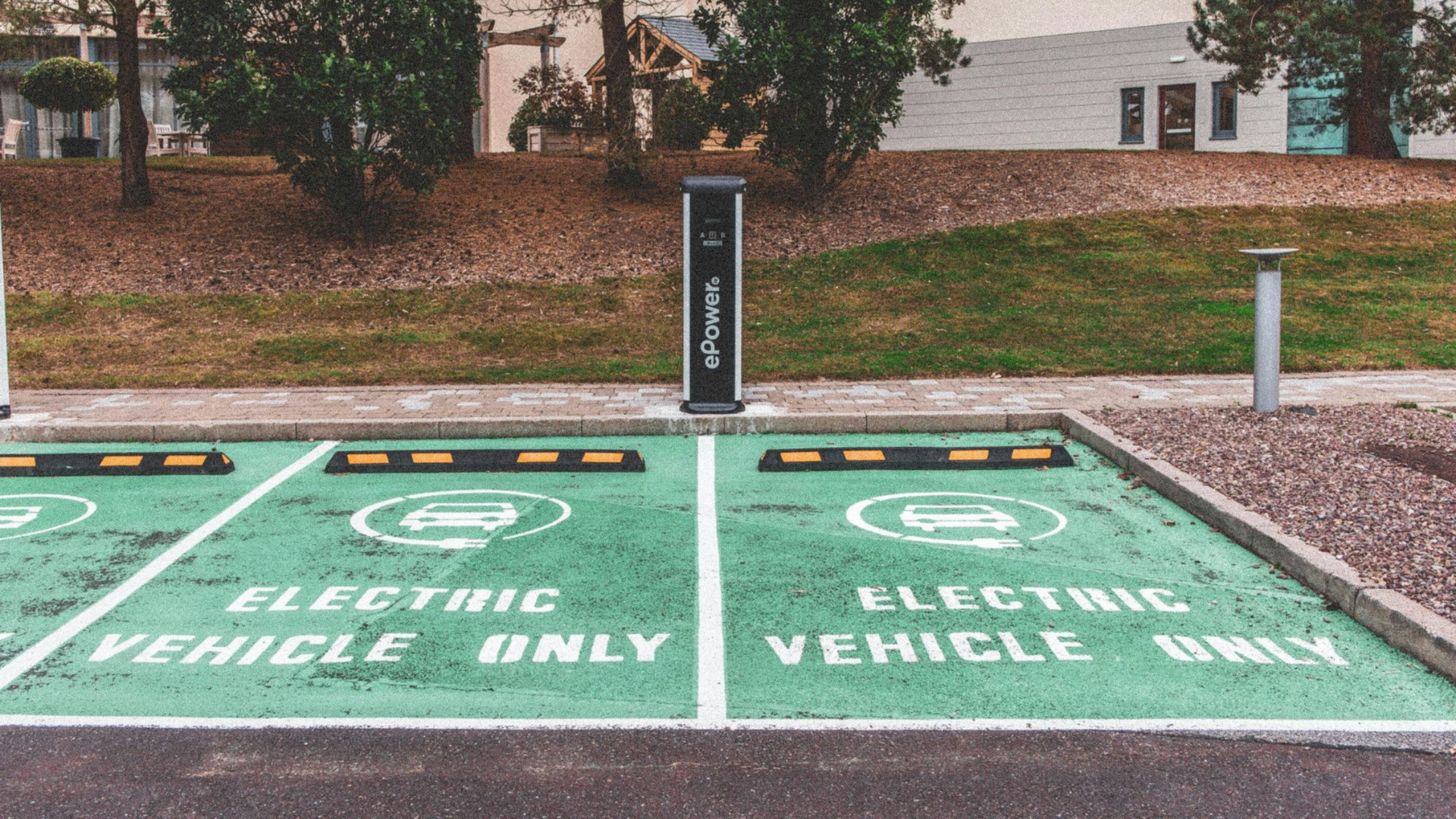
The UK has, however, made impressive strides in making EV charging infrastructure more accessible. In 2025 alone, the UK added just over 14,000 new public EV charging devices (representing a 19.1% year-on-year increase), bringing the total number of public chargers to 87,796 by December 2025, as summarised by
Fleet News. As of early 2026, the total is surpassing 88,500, so this is clearly a trend going in the right direction. Ultra-rapid chargers (which can top up a battery in 20-30 minutes) have also surged, as have charging hubs with multiple devices.
However, infrastructure remains unevenly distributed nationwide. Greater London holds 72% of on-street chargers while many other regions are underserved, and while it matters less for most EV owners who can charge at home, the need for greater public charging infrastructure in lacking areas is growing. Despite these regional disparities, the
UK government provides several grants via the OZEV (Office for Zero Emission Vehicles) to support public and semi-public charging, including:
- Local Electric Vehicle Infrastructure (LEVI) Fund
- On-Street Residential Chargepoint Scheme (ORCS)
- Workplace Charging Scheme (WCS)
- Residential Landlord & Renters Grants
Matching Your Vehicle to Your Habits and Budget
The 'best' choice depends heavily on a few key factors and habits.
- Average car journey: If your daily routine involves commuting reasonable distances and you can charge at home or work, an EV becomes very practical. Hybrids do prove beneficial for frequent long-distance motorway journeys and may work better for drivers who don’t have access to such readily available charging infrastructure.
- Price: EVs typically carry a higher upfront purchase price due to the expensive battery technology, but improving government grants and subsidies and falling battery costs are narrowing this gap. Hybrids, simultaneously, sit at more affordable prices, roughly equidistant between EVs and petrol vehicles.
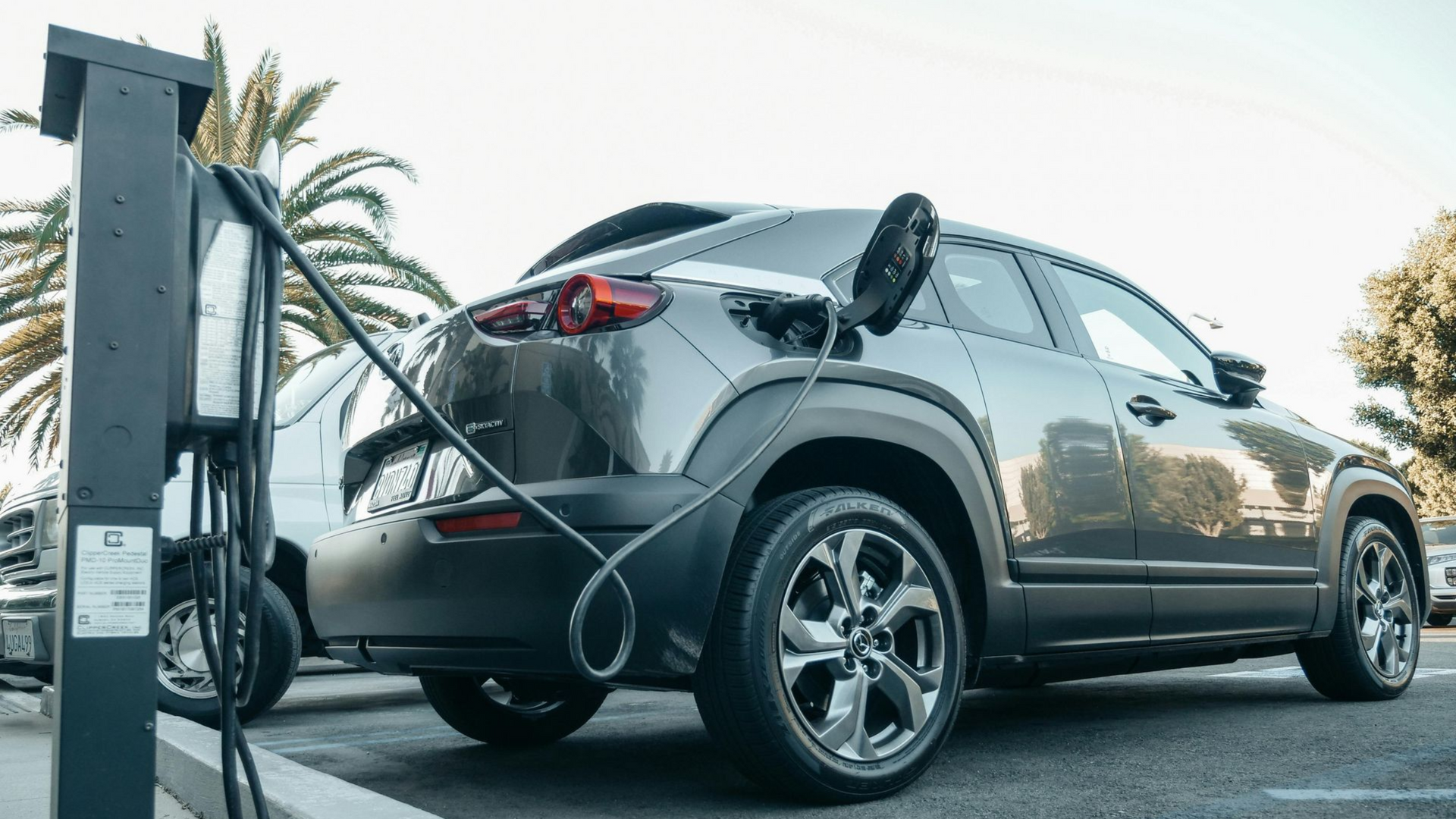
Operational costs: EVs come with low running expenses, with electricity costing less than petrol and maintenance exceptionally low (with some providers, as highlighted by
Love Electric Cars, offering rates as low as 7p pkWh at off-peak hours). Public charging costs vary widely, ranging from 39p to 89p depending on location and network, so careful planning for stops in areas with better rates makes financial and environmental sense.
Making Your Decision
There's no universal answer to the EV versus hybrid question. An EV charged primarily on renewable energy and used for shorter journeys undoubtedly delivers the lowest carbon footprint. That said, a hybrid driven by someone without home charging might achieve better real-world emissions reductions than an EV charged predominantly from rapid chargers during peak grid demand.
Ask yourself whether you can feasibly charge at home or work, your expected daily mileage, how often you’re likely to take long trips, your local charging infrastructure and accessibility, and more. Your answers will guide you further towards making an informed choice.
The encouraging news is that both options represent meaningful progress toward decarbonising transport. Whether you choose electric or hybrid, you're participating in a necessary transition away from fossil fuel dependency. The perfect shouldn't become the enemy of the good.
ADS
END OF ADS
Newsletter Signup
Sustainable Shopping Guides, Offers + Reviews.
Delivered to your inbox.
THE LATEST
Sustainable Shopping Guides