Worn In, Not Worn Out: Why the Most Sustainable Bra Is the One You Keep

At Zero Wasted, our mission is to help you make informed, conscious choices—we do the research so you don’t have to. Affiliate Disclosure: Some articles may contain affiliate links, meaning we may earn a small commission if you make a purchase through them. This comes at no extra cost to you, and we only recommend products we truly believe in.
ADS
END OF ADS
Most of us have a drawer containing two or three bras in constant rotation, and behind them a small heap that rarely gets chosen. The ones that ride up, dig in, or just never feel right, are too good to bin yet not good enough to wear, and so they sit gathering dust.
That unloved selection is worth a second look, because underwear turns out to be one of the trickiest things in a wardrobe to deal with responsibly.
The One Garment Recycling Struggles With
Most clothes have a route out. Cotton and wool can be sorted, shredded and respun, and plenty of high street bins will happily take a worn out t-shirt. A bra is a different proposition. Any single one might contain moulded foam, elastane, polyester, nylon, a steel wire, hooks, eyes, sliders and several metres of stitching holding it all together. Pulling those materials apart costs far more than the recovered fibre is worth, which is why most textile recyclers won’t accept underwired garments at all.
That’s before you count what went into making it in the first place. As we’ve explored when looking at
the hidden footprint of everyday household materials, synthetics like polyester and nylon are petroleum derived, and conventional cotton carries a heavy water and pesticide burden. All of that goes into a garment which, for most of us, gets exactly one life.
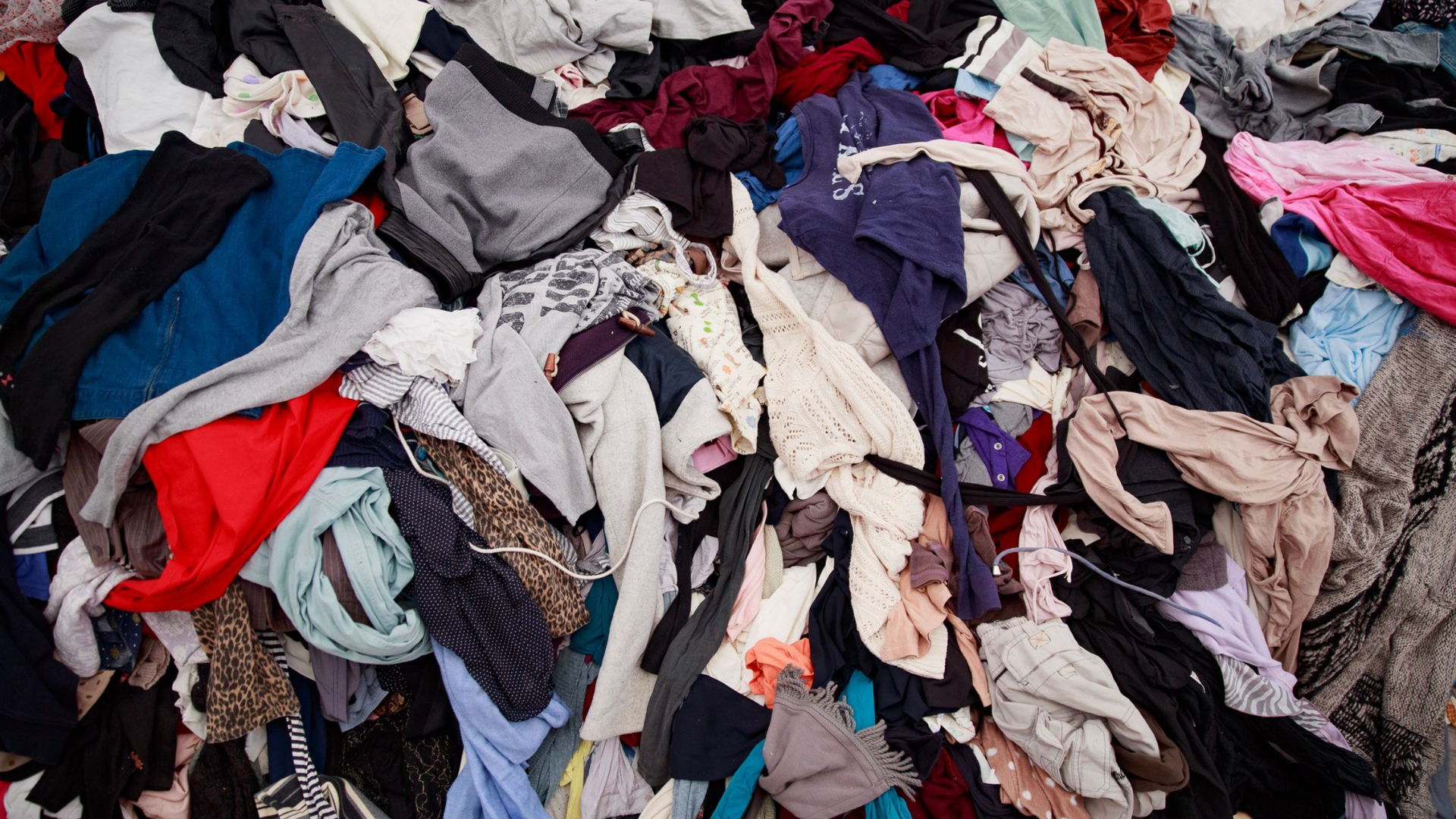
The scale is easy to underestimate. WRAP figures show the UK puts around 711,000 tonnes of used textiles into general rubbish every year, most of it burned rather than recovered. Bras are among the least likely items to be diverted, since even collectors set up to handle old clothing tend to pass on anything with wires and hardware in it. Left to the usual routes, a bra almost always ends up in the residual pile.
Which Makes Wearing it the Whole Strategy
If you can’t recycle it, the only lever left is time. WRAP has found that extending a garment’s active life by nine months cuts its carbon, water and waste footprints by up to 20 per cent, saving around £5 billion a year in the resources used to make, launder and dispose of our clothes. Similarly, they have warned that the standards are set too low, with typical testing assuming a garment will see only 15 to 20 washes, while people expect closer to 50.
Nine months isn’t a lot to ask. The catch is that bras rarely fail because the fabric gives out. They get quietly abandoned long before that.
Fit is What Decides How Long it Lasts
The University of Portsmouth’s Research Group in Breast Health has spent two decades on this question. Its lab has monitored more than a million breast bounces, testing over 700 bras on more than 8,000 women. Unsupported breast tissue can travel up to 15 centimetres during a run, so support is a structural question rather than a cosmetic one.
When the group surveyed British athletes ahead of the Tokyo Olympics, three quarters of them had never had a bra professionally fitted. If elite sportswomen are guessing, the rest of us can be forgiven for guessing too. A bra that doesn’t fit rarely wears out. It simply gets worn once or twice, then pushed to the back of the drawer.
Fit doesn’t remain a one-off either, as bodies change with weight, age and pregnancy, so a bra that was right two years ago may simply no longer be suitable. This is often why a favourite quietly falls out of rotation without any obvious fault. Knowing what a good fit feels like is what tells you whether a bra is genuinely finished or just the wrong size for you now.
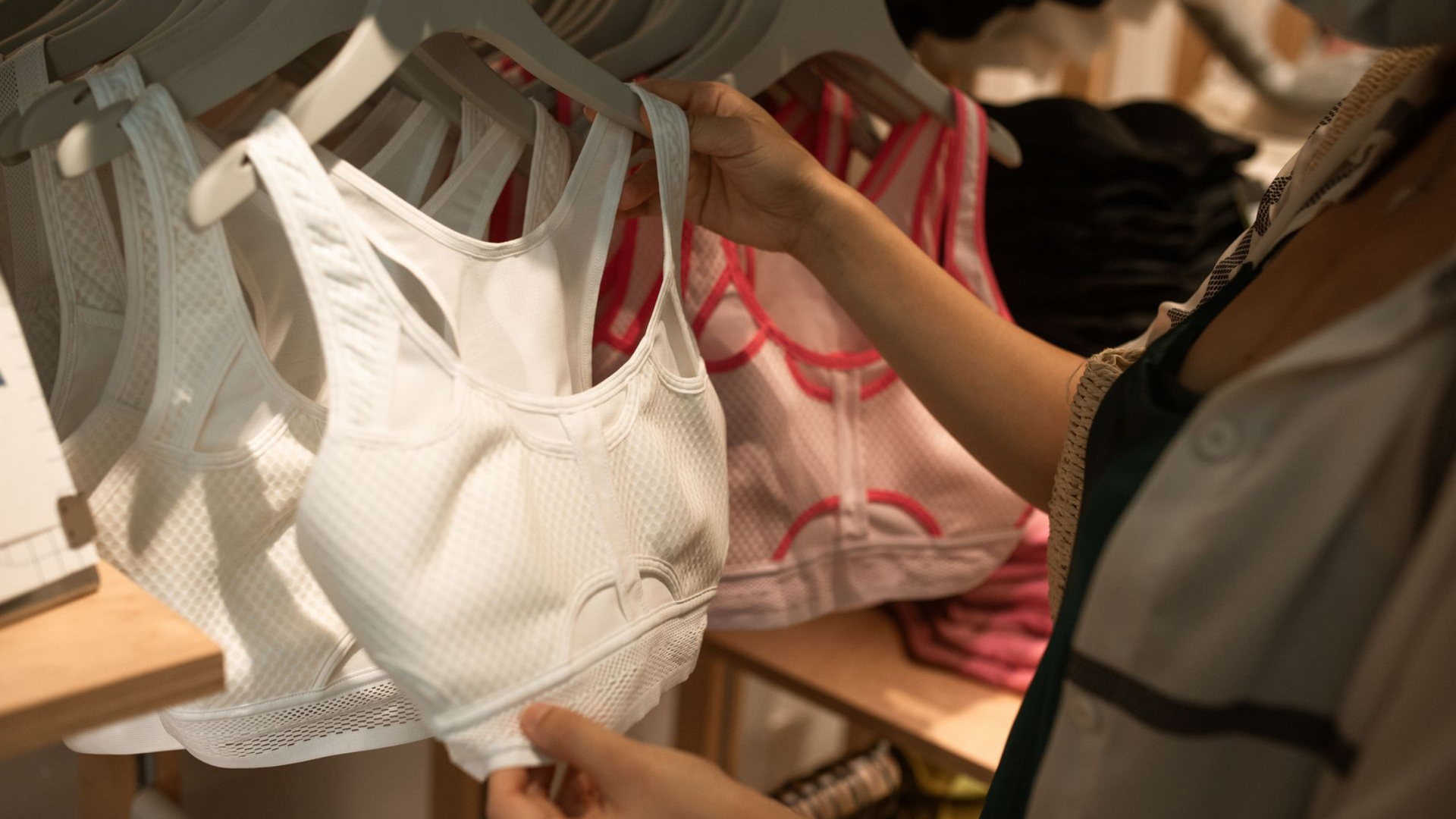
Getting More Years Out of the Ones You Own
Two things make the difference here, and neither costs much.
The first is how you wash them. Machine cycles are brutal on structured garments: the agitation twists wires out of shape, and heat degrades the elastic doing the actual work of holding everything in place. Hand washing underwired pieces in cool water with
a gentler detergent takes a few minutes, and skipping the tumble dryer costs nothing at all. Radiators count too, since direct heat warps a wire faster than almost anything else.
The second is fit, and it’s worth admitting that most of us can’t judge our own. We get used to how a bra feels rather than how it should feel, so a band that has stretched or a cup that no longer sits right starts to seem normal.
This is where an expert eye earns its place. Ouh La La, a specialist fitter since 2006, sets out
how to tell whether a bra is doing its job in three simple checks:
- A band that sits firm and horizontal around your back, so the support comes from there rather than the straps.
- Wires that lie flat against your ribs without pressing into breast tissue.
- Cups that enclose everything without gaping or spilling over.
A further useful piece of advice is to fasten a new bra on its loosest hook, so you’ve got somewhere to go as the band stretches over time.
Alongside how you wash your bra, it’s also worth thinking about how often you wear each one. If the same bra is worn two days running, the elastic is given no time to recover. Rotating between a few different ones makes each of them last noticeably longer. It’s mostly a matter of treating a structured garment as the small piece of engineering it actually is.
Get those two right and a well made bra stays comfortable for years rather than weeks.

What to do With the Ones Already Past Saving
Don’t bin them. Against Breast Cancer runs bra banks that take them in any condition, broken wires and all, with a postcode finder for drop off points and a postal option if there’s nothing nearby. Wearable ones are passed to traders in countries where bras are expensive to produce locally. The rest are dismantled and the materials recovered, with the charity receiving a payment based on weight that goes towards research into secondary breast cancer.
Better than landfill, and it clears the drawer.
None of this asks you to buy anything labelled sustainable. It’s the older idea, the one your grandmother would recognise: work out what fits, look after it properly, keep it for as long as it keeps you comfortable, then know how to suitably dispose of it.
ADS
END OF ADS
Newsletter Signup
Sustainable Shopping Guides, Offers + Reviews.
Delivered to your inbox.
THE LATEST
Sustainable Shopping Guides