
How to Cool a UK Home Naturally: What Mediterranean Builders Do Differently

At Zero Wasted, our mission is to help you make informed, conscious choices—we do the research so you don’t have to. Affiliate Disclosure: Some articles may contain affiliate links, meaning we may earn a small commission if you make a purchase through them. This comes at no extra cost to you, and we only recommend products we truly believe in.
ADS
END OF ADS
Air conditioning is fast becoming the British answer to hot weather, and it's an expensive way to solve a problem that better building can solve for nothing. Most UK homes are designed to hold heat in, which works well for nine months of the year and turns against us for the other three. Summer 2026 was provisionally the warmest on record for the UK, with the Met Office's analysis putting a season that hot around 130 times more likely because of climate change. Homes that were never built with this in mind are struggling, and plugging in a portable unit isn't the only option.
Mediterranean builders have spent centuries keeping houses liveable through far hotter summers without any mechanical cooling at all. They rely on shade, airflow and the fabric of the building itself. Some of what they do costs nothing. The rest is worth knowing before your next renovation, because these are decisions that are far cheaper to make while the scaffolding is already up.
Insulation Isn't Just for Winter
It's easy to think of insulation as a way to keep the cold out, but it works in both directions. A well-insulated loft or cavity wall slows heat entering your home from above and outside, just as it slows heat escaping in December. Poorly insulated homes waste generated energy whatever the season, and in summer that shows up as rooms that never quite cool down overnight.
If you're already planning to upgrade your insulation for winter bills, it's worth knowing you'll feel the benefit in August too. These
eco home upgrades tend to be assessed purely on their winter return on investment, but the summer case is just as real, even if it rarely gets mentioned.
Shade From the Outside, Not the Inside
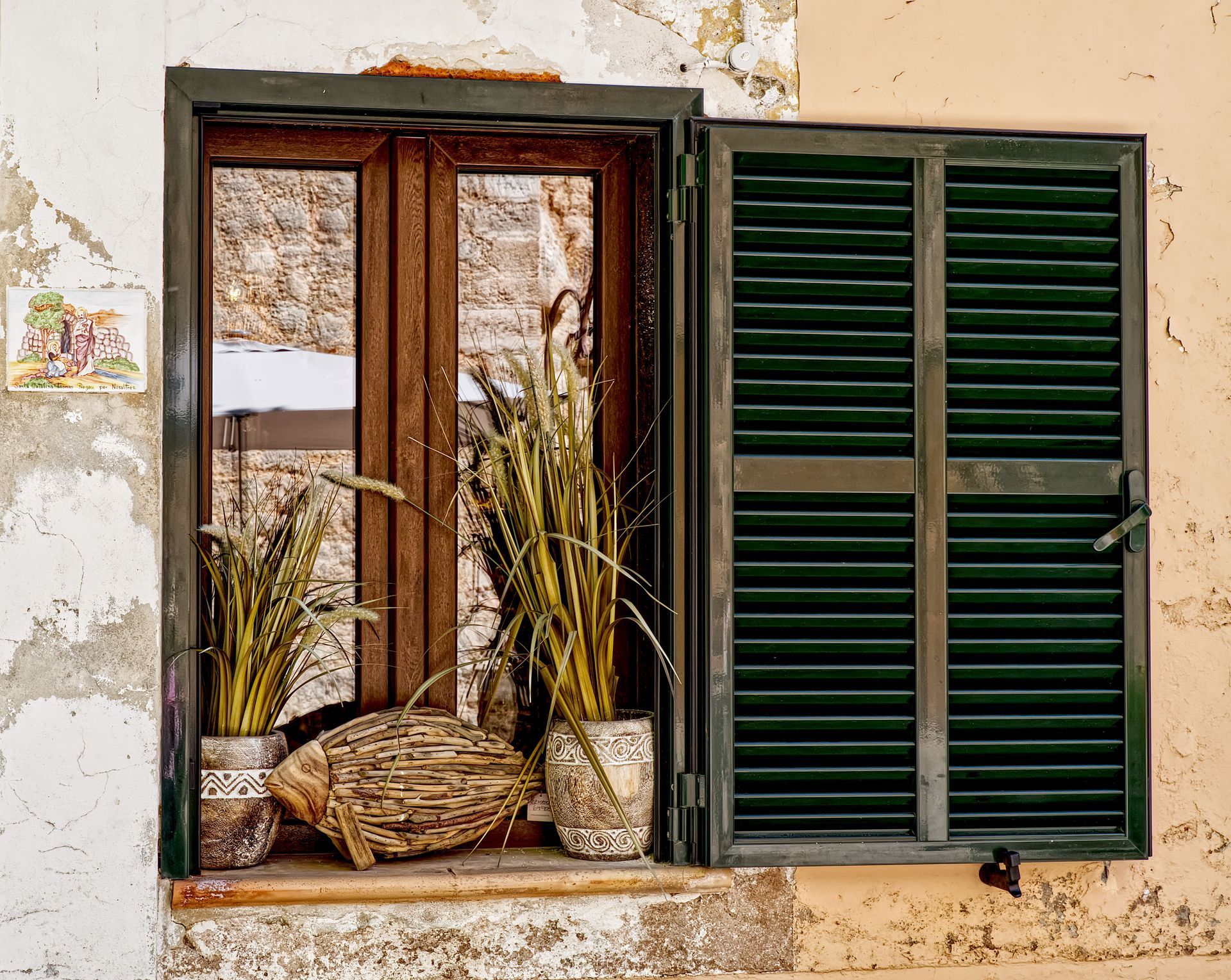
This is where British and Mediterranean homes really part ways. In the UK, our instinct is to close the curtains once a room starts to heat up. It helps a little, but by the time the sun has passed through the glass, most of the damage is already done.
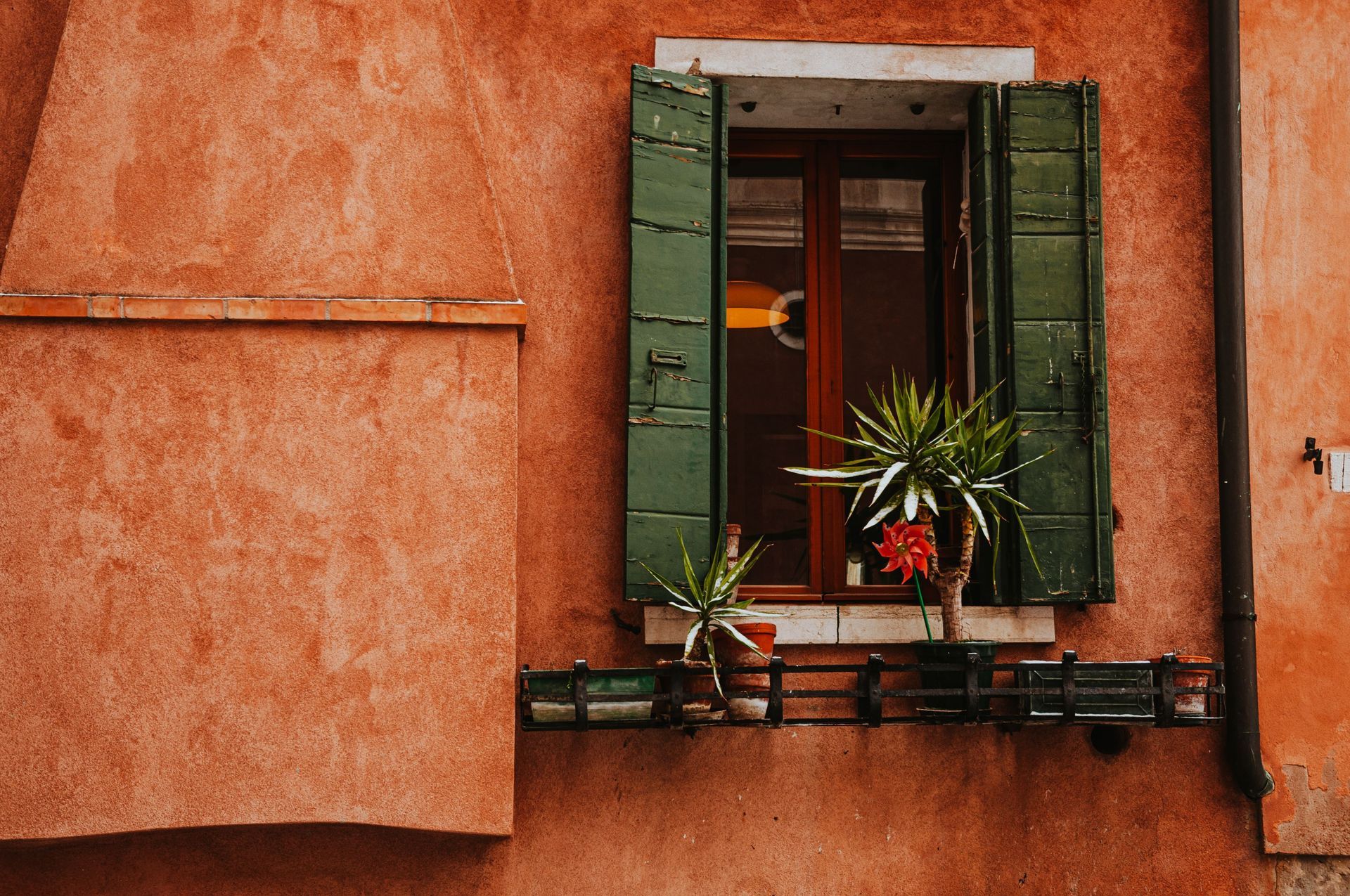
Mediterranean homes shade from the outside instead. External shutters, deep overhangs and awnings stop the sun before it ever reaches the window, which makes a far bigger difference than anything done from indoors. It's a simple bit of physics rather than a design flourish: block the heat before it gets in, don't try to manage it once it's inside.
Few British houses have this kind of external shading fitted as standard, so we end up fighting the problem from the wrong side. A cheap shade cloth, an awning, or even a temporary cover over south-facing windows before a heatwave arrives can do more for a room's temperature than any amount of curtain-drawing once the sun's already up.
What the Walls are Made of
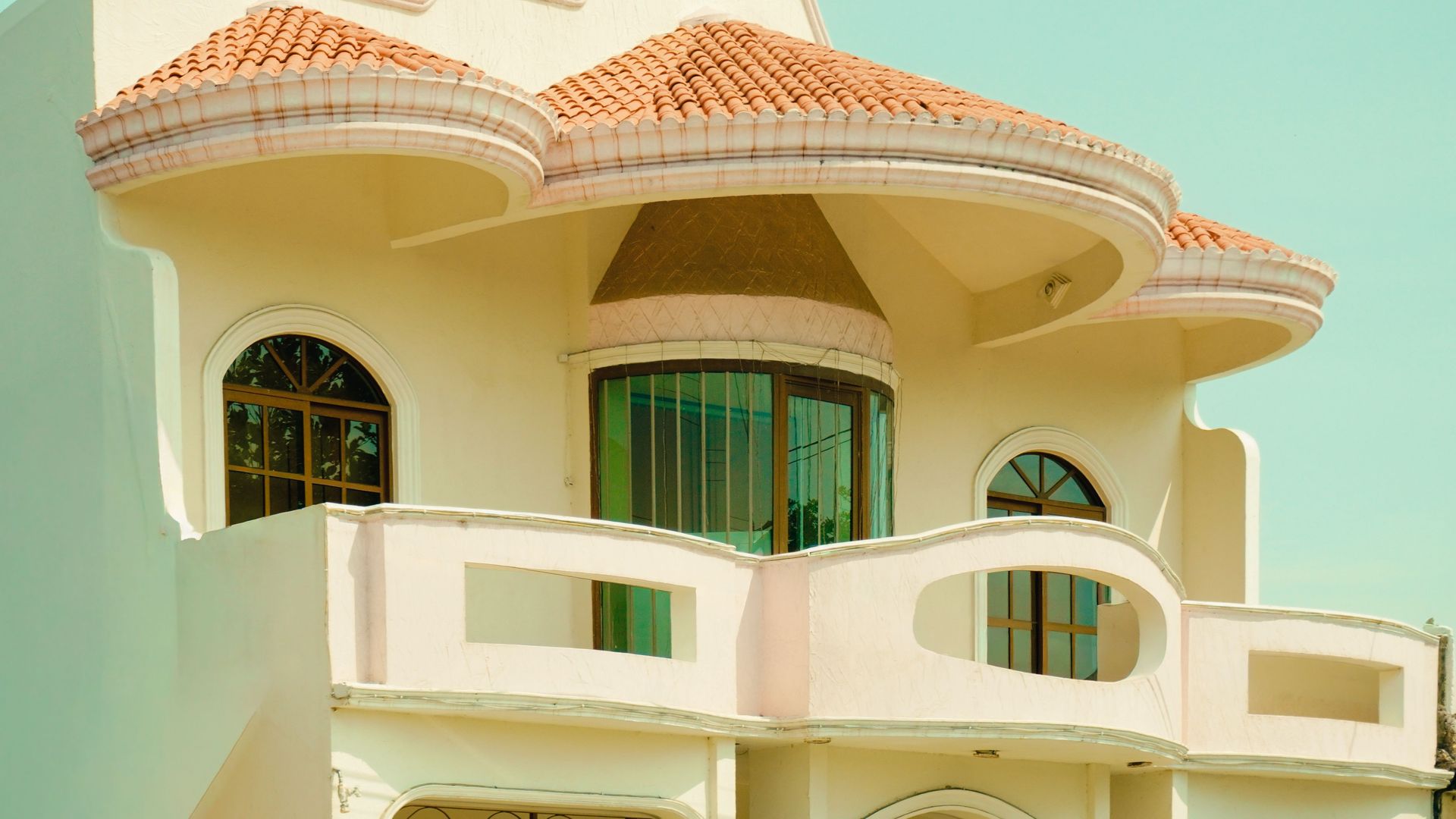
Shade only solves half the problem. The other half is what your house is built from. Materials with high thermal mass, dense stone, thick masonry, traditional plaster, absorb heat slowly during the day and release it slowly at night, which keeps indoor temperatures far steadier than a lightweight, modern build. Pale exterior finishes matter too, since they reflect sunlight rather than soaking it up.
None of this is glamorous, but it's the reason a stone farmhouse in Andalusia can stay cool through an afternoon that would leave a British new-build sweltering. It's also a reminder that
the materials your home is built from carry consequences well beyond their carbon footprint at the point of construction.
Getting it Right at Renovation Stage
Shading and materials are the kind of decisions that are far easier to get right when a house is already being opened up for other work, rather than retrofitted piece by piece once the damage is done. Window positioning, roof overhangs, wall finishes and ventilation routes are all far cheaper to plan properly during a renovation than to bolt on afterwards, and far harder to change once the walls are closed back up.
This is exactly the thinking behind a
whole-house renovation, where shade, airflow and material choices are treated as part of the same set of decisions as the layout itself, rather than tackled separately once the main work is done. Two decades of building in southern Spain has taught firms like ProMas Building to treat shade and airflow as structural questions, settled at plan stage rather than fixed afterwards with a fan. It's a different starting point to the way most UK renovations are approached, where cooling tends to be dealt with once everything else is finished rather than built into the brief from day one.
Airflow, Briefly
The other free tool is timing. Open windows on opposite sides of your home once it's cooler outside than in, usually overnight, and you'll pull a cross-breeze through that flushes out the heat that's built up during the day. Close everything back up again in the morning before the outside temperature climbs past the inside one, and you'll hold onto that cool air for longer than you'd expect.
Britain's Building Rules are Already Catching Up
This isn't just a lifestyle choice for warmer countries either. Since 2022, new residential buildings in England have had to comply with Approved Document O, which requires builders to limit unwanted solar gain in summer and provide an adequate way to remove excess heat. In other words, the principles Mediterranean builders have followed for generations are now written into UK building regulations for new homes. Cooling by design isn't a foreign idea any more. It's fast becoming the standard.
Air conditioning will always be there as a last resort, but it's an expensive habit for a problem that shade, airflow and the right materials can solve for free. The homes that stay coolest through a British heatwave won't be the ones with the biggest units running flat out. They'll be the ones designed, from the walls to the windows, to never need them in the first place.
ADS
END OF ADS
Newsletter Signup
Sustainable Shopping Guides, Offers + Reviews.
Delivered to your inbox.
THE LATEST
Sustainable Shopping Guides